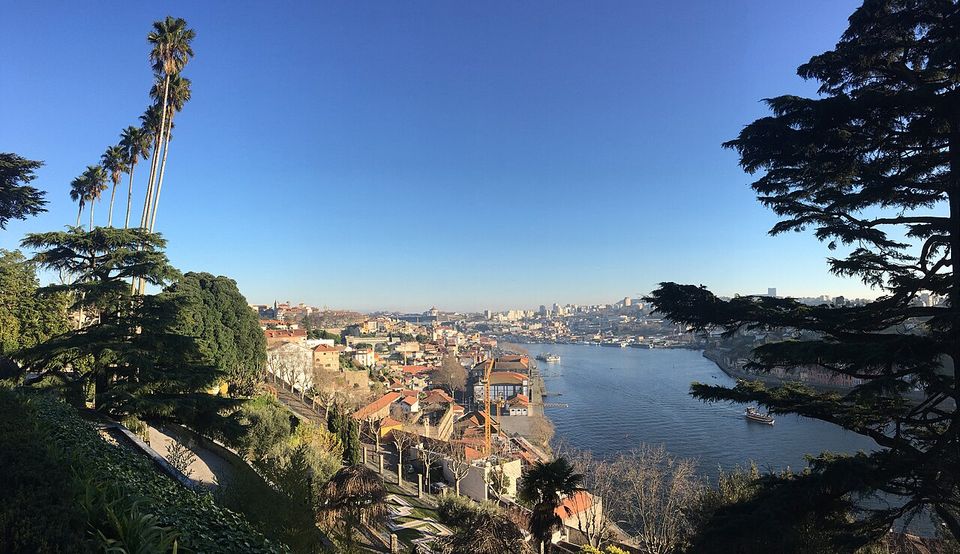
Two good reasons to head west of the centre: a garden above the Douro and a street of art galleries. The Palácio de Cristal gardens and Rua de Miguel Bombarda are about 10 to 12 minutes apart on foot, so they fit one relaxed afternoon. One thing first: the Crystal Palace itself no longer exists, so the visit is to the gardens.
Jardins do Palácio de Cristal
The gardens are in Massarelos, with views over the Douro. A large glass and iron hall once stood here, designed by the English architect Thomas Dillen Jones on the model of London's Crystal Palace. Building began in 1861, and King Luís I opened it on 18 September 1865 for the Porto International Exhibition.
The city of Porto bought the building and the gardens in 1933. The palace was demolished in 1951, and its demolition divided the city, according to the newspaper Diário de Notícias. A sports arena took its place. It was renamed in 1991 after the marathon runner Rosa Mota, and it is now called the Super Bock Arena (Pavilhão Rosa Mota).
The romantic gardens date from the 1860s and are attributed to the landscape architect Émile David. Look for the entrance garden, the Avenida das Tílias and the viewpoints over the river. On a clear day, stand at the river side of the gardens and look along the Douro towards the Arrábida Bridge.
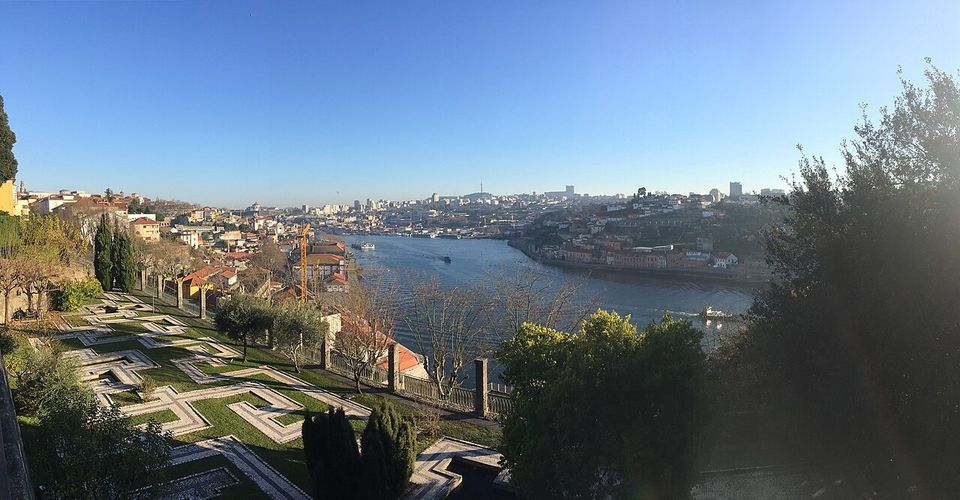
Tip: sources differ on the opening hours, so check them before you go.
Rua de Miguel Bombarda
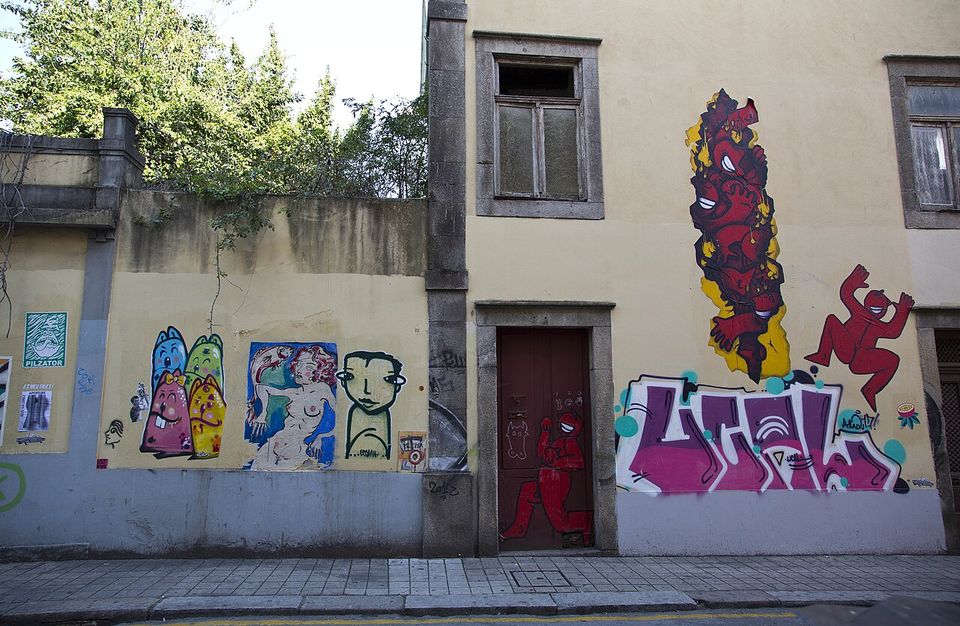
The street, in Cedofeita, has been Porto's gallery street since about 2007, when the first group openings started. The first gallery here was Galeria Fernando Santos, at number 526. In 2022 the newspaper Observador counted 15 galleries and about 100 spaces, including shops and cafés, spread over six streets.
Several times a year the galleries hold simultaneous openings on a Saturday afternoon. It is the best chance to see many of them in one visit. Centro Comercial Bombarda, at number 285, is a small arcade with design shops, fashion and cafés.
Tip: on a normal day, check each gallery's own opening hours, and look up the dates of the next openings on the Bombarda Porto Facebook page.
Nearby
Nearby, we can see ...
Close to the gardens
- The Museu Romântico, in the Quinta da Macieirinha, on Rua de Entre-Quintas. King Carlo Alberto of Sardinia lived here in exile in 1849, and the house became a museum in 1972, showing a 19th century bourgeois home. Opening hours differ between sources, so check before you go.
- Casa Tait, next door. The port wine merchant William Tait bought the house in 1900, and his heir sold it to the city on condition that it became a public green space. It stands behind high walls, with windows only on the river side, and its garden has a classified tulip tree, camellias and roses. We have not confirmed whether the house or the garden is open, so check before you go.
Close to the street
- The Palácio dos Carrancas, home of the Soares dos Reis National Museum, about four to five minutes on foot. Building began in 1795. Look at the main front, where the centre projects on three arches and carries a balustrade with vases and urns. The museum is described as the first public art museum in Portugal.
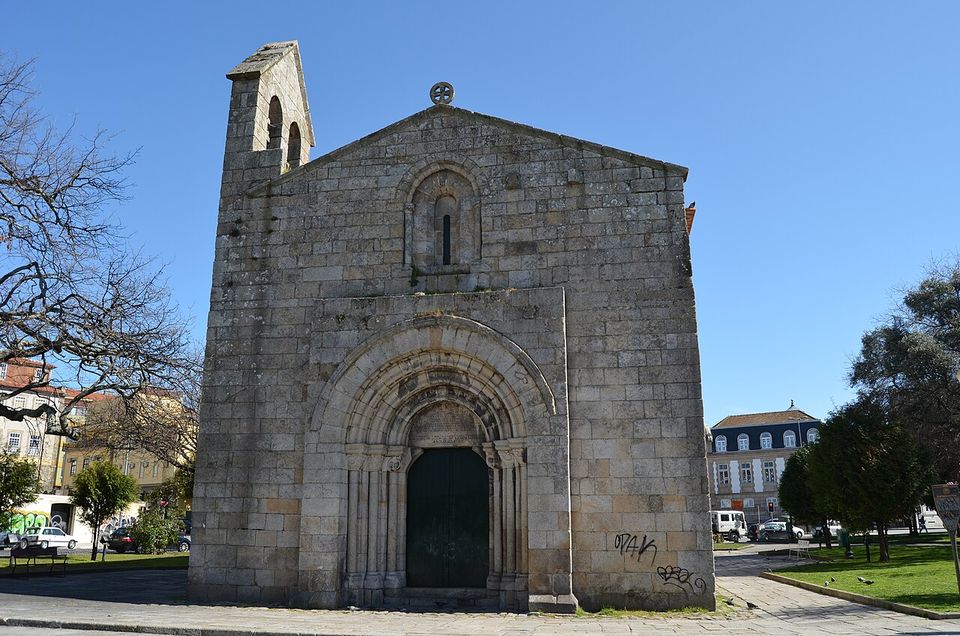
- The church of São Martinho de Cedofeita, at Largo do Priorado, about eight to ten minutes on foot. It is a Romanesque church and a National Monument, and a document of 1087 already mentions it. It has a single nave under a stone barrel vault.
Where to eat
- Oficina, at Rua Miguel Bombarda 282, serves traditional Portuguese cooking with contemporary touches from chef Marco Gomes, using products from Trás-os-Montes.
- Pimenta Rosa, in the Centro Comercial Bombarda, is a café with pizzas, scones, toasts and homemade desserts. Check before you go.
- Taberna Santo António, on Rua das Virtudes in Miragaia, is a small tavern with traditional dishes, a short drive from the gardens.
Opening days and hours differ between sources, so check before you go.